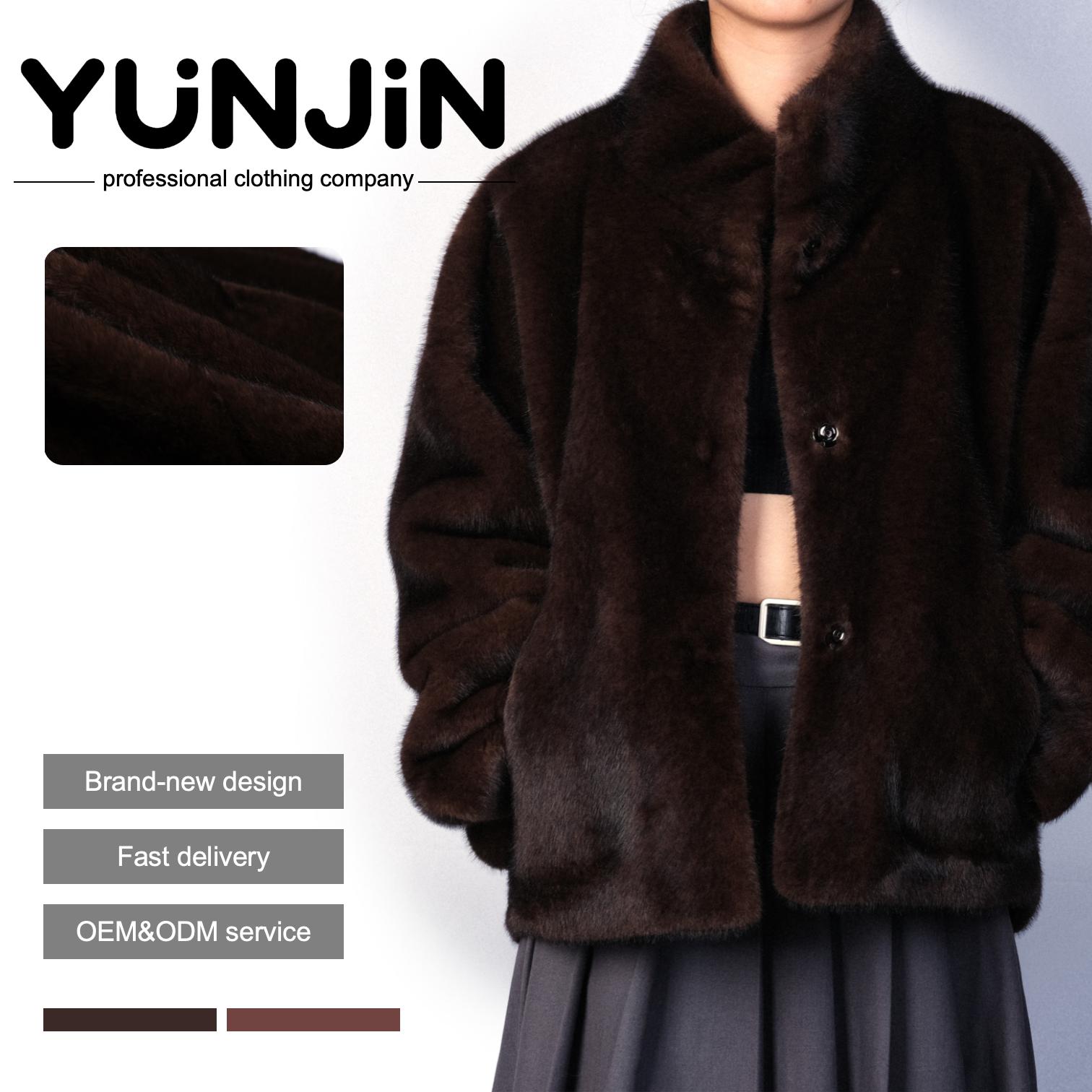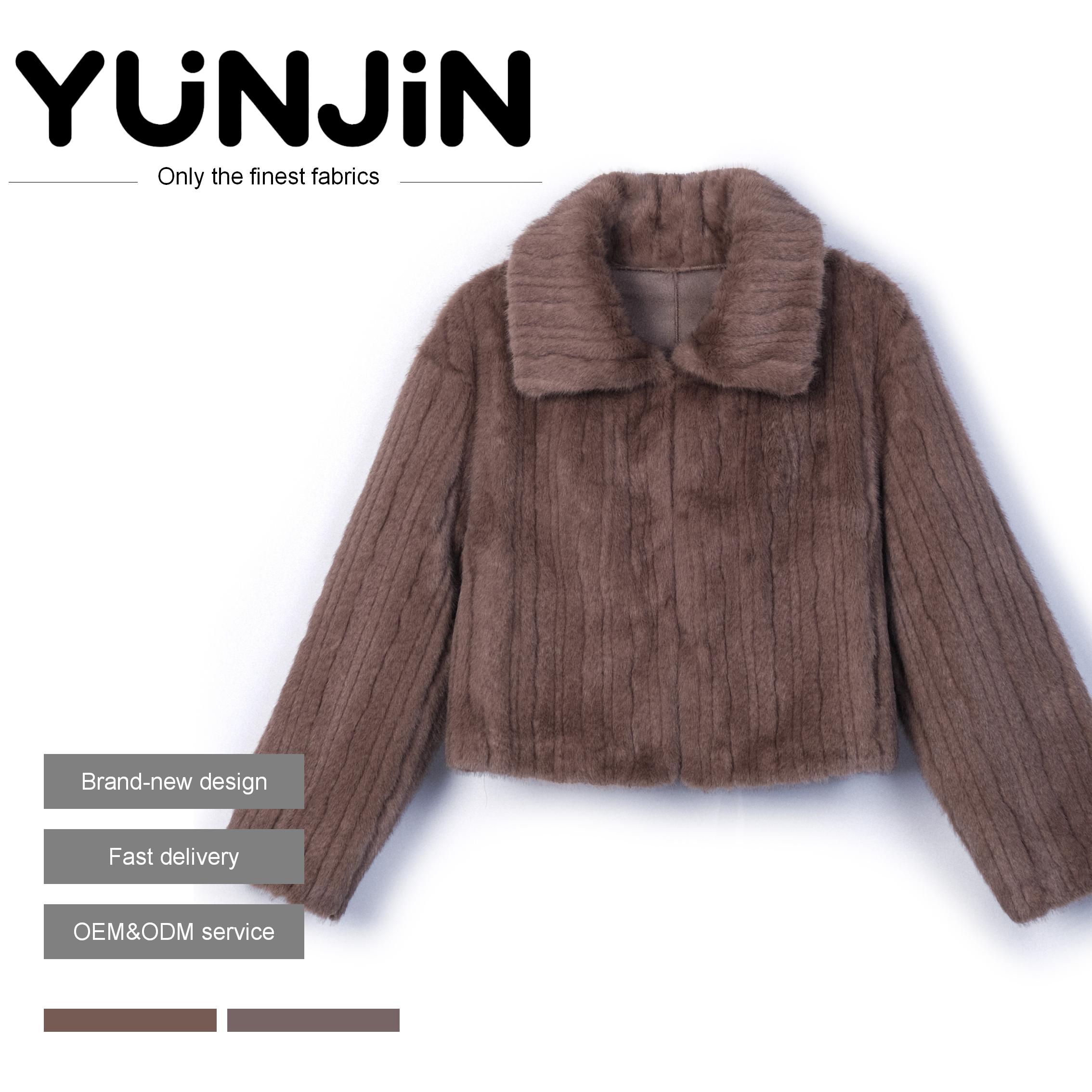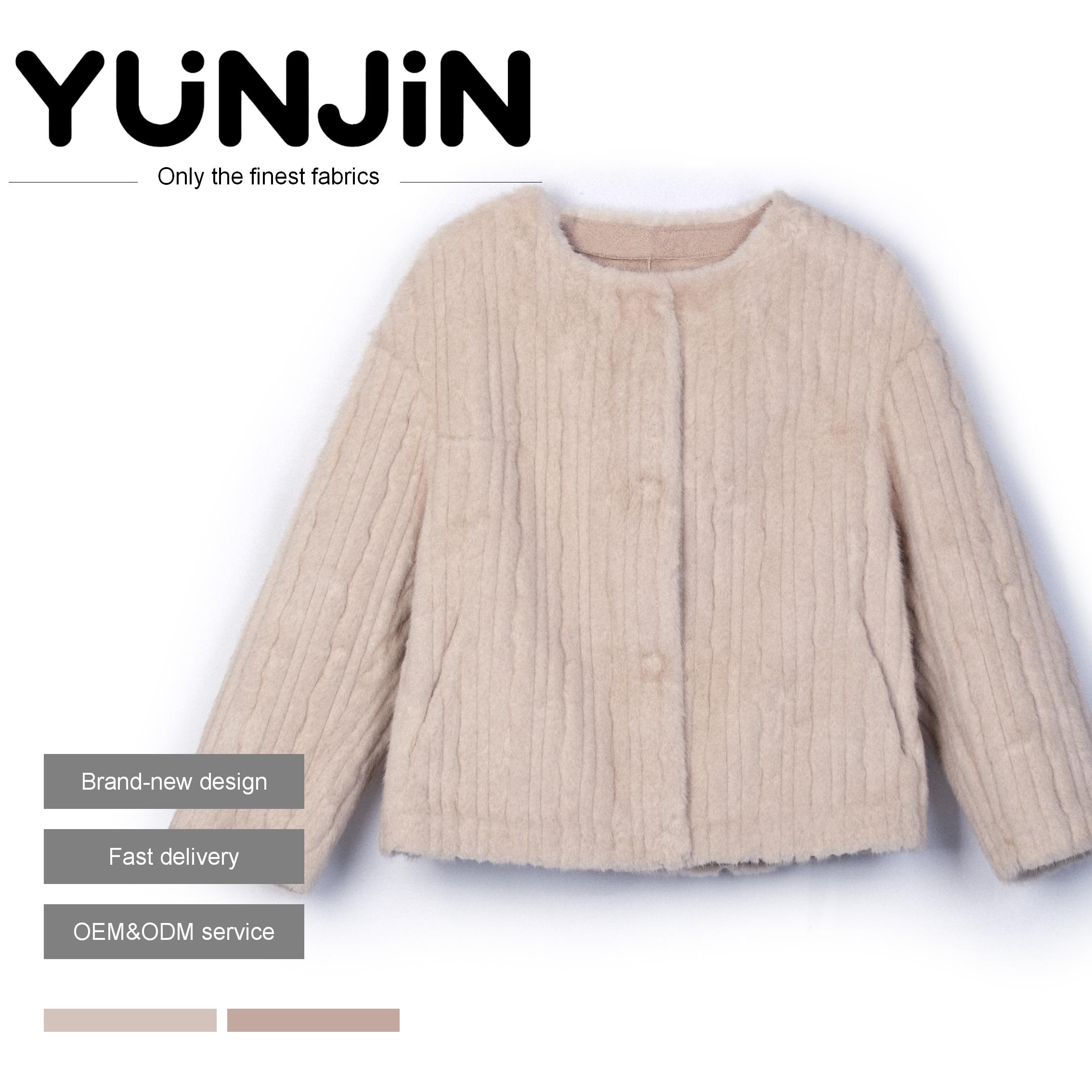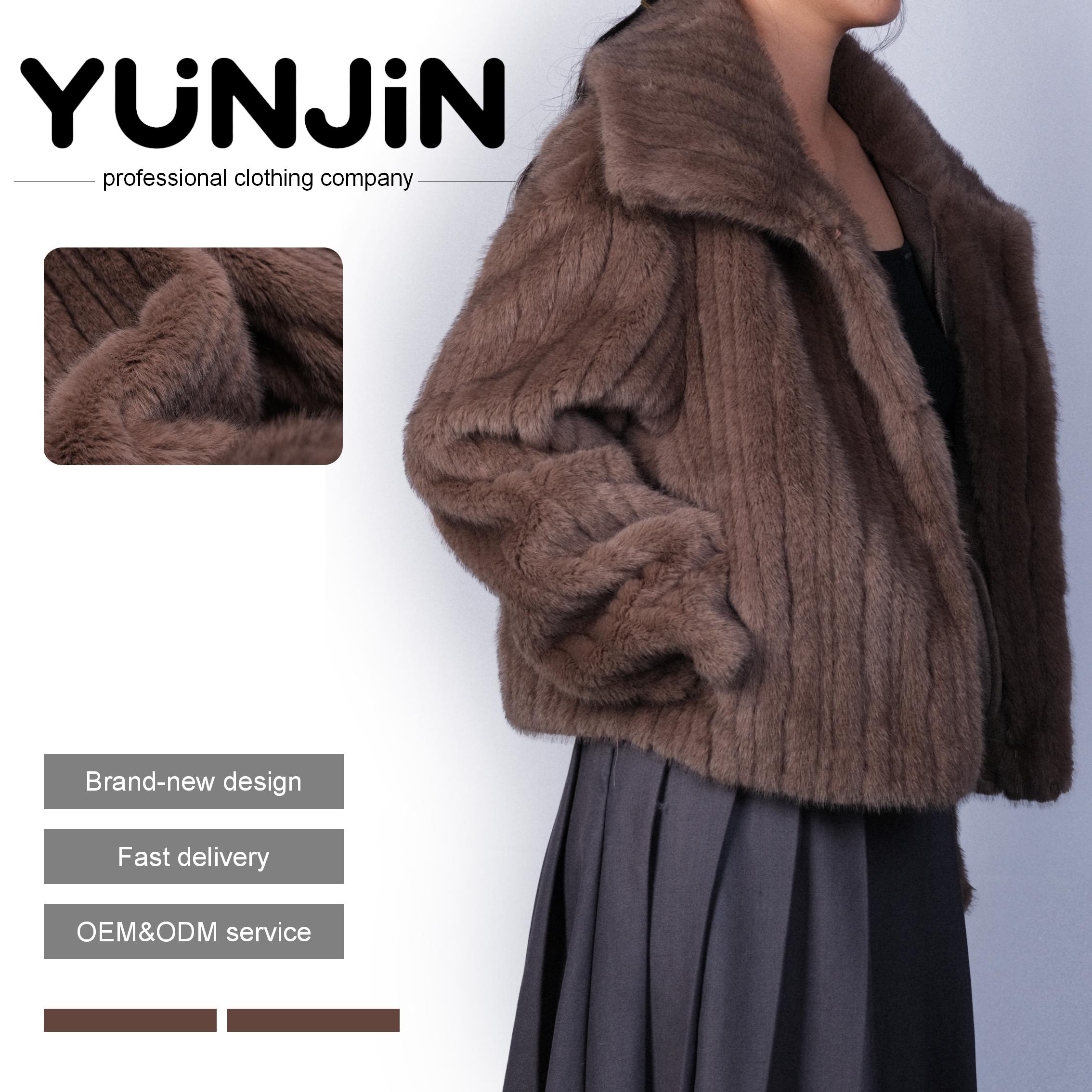
The situation below is a composite scenario based on common boutique and brand selling patterns rather than one named retailer.
An outerwear style had already shown that it could sell in store. Customers responded well to the silhouette, staff knew how to explain the shape, and the piece held its place in the assortment. But when the same style was pushed more heavily online, return pressure climbed and conversion quality softened. The immediate reaction inside the team was to question the fit. Yet the physical garment had not changed. The larger problem turned out to be the story being told about it.
The product page described the coat in language that suggested relaxed, easy layering. The imagery leaned in the same direction. In reality, the coat had been developed to keep a cleaner line, with more controlled layering behavior than the page implied. In store, stylists naturally corrected that expectation in conversation. Online, the customer was left with the wrong promise.
The product was consistent. The interpretation was not.
This is one of the more misleading ecommerce problems in outerwear. The team sees increased returns and assumes the garment must be wrong. Sometimes it is. But in many cases, the issue is that the customer bought one use case while the style was built for another. If the copy, fit note, and photography all signal roomy winter layering, but the actual coat performs better as a cleaner, more structured style, the return risk rises even if workmanship and fit are technically sound.
That gap is especially easy to miss when a style already performs well in another channel. Success in store can hide product-page weakness because staff explanation absorbs the confusion before the sale is completed.
The return reasons looked scattered until the team grouped them by expectation
The original feedback codes did not point clearly to one problem. Some customers said the coat ran smaller than expected. Others said it felt less easy than the photos suggested. Some were satisfied with appearance but disappointed in layering comfort. Looked at individually, the responses seemed inconsistent. Once grouped around customer expectation, they started telling the same story: the product had been framed as more forgiving and more flexible than it really was.
That shift in analysis changed the team's response. Instead of starting with a pattern correction, they first reviewed how the product page was building the fit expectation in the customer's mind.
The fix started with language and styling, not with a remake
The revised product page did three simple things differently. It described the silhouette more honestly. It clarified what kind of layering the coat was built for. And it adjusted styling support so the garment was shown in conditions closer to its real use case. None of those edits changed the coat itself, but together they changed the accuracy of the promise being made around it.
Only after those changes did the team revisit whether a future repeat should soften any part of the fit. That order mattered. If they had altered the pattern first, they might have solved the wrong problem and weakened a style that had already proven it could sell when framed properly.
This is where product, merchandising, and manufacturing meet
Factories are not usually the first place teams look when an ecommerce page underperforms. But manufacturers see the pattern often from another angle. A sample is approved under one wearing intention. The final sales story shifts toward another intention because the market-facing language becomes more generic. Suddenly the product is being judged against a use case it was never designed to satisfy. From a development standpoint, that is not only a channel issue. It is a translation issue between product design and commercial presentation.
For outerwear, that translation matters more than it does in many lighter categories because layering, weight, movement, and seasonal use all shape the wearing experience in visible ways.
A strong product page should reduce, not create, fit ambiguity
The best outerwear ecommerce pages do not simply make a product sound desirable. They make it sound accurate. That means silhouette language, size expectation, styling choices, and imagery all need to point in the same direction. When they do, the customer is more likely to buy the piece for the right reason. When they do not, the return burden starts climbing even though the garment itself may be doing exactly what it was built to do.
This case matters because it shows that a return problem is not always solved on the pattern table. Sometimes it is solved on the product page first.