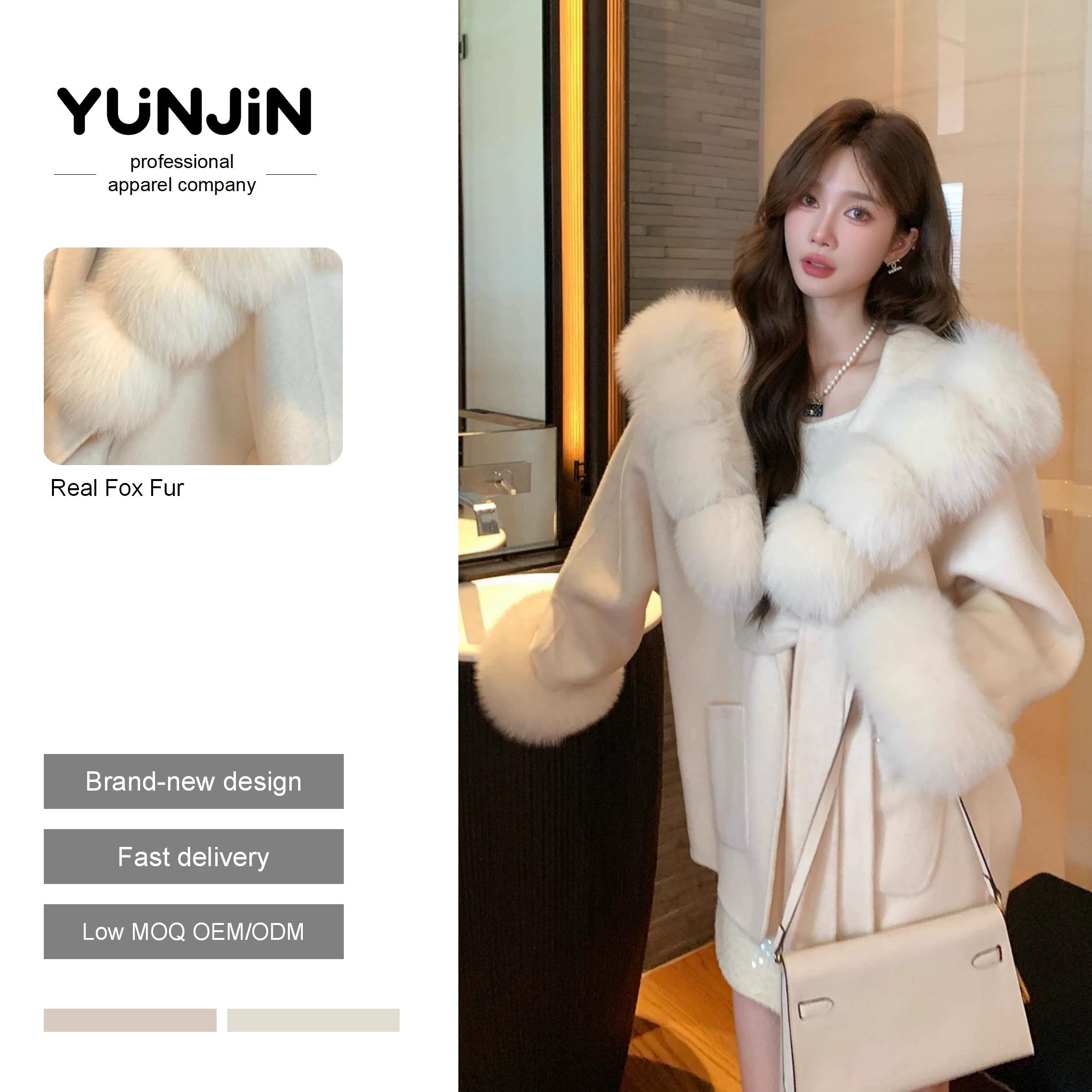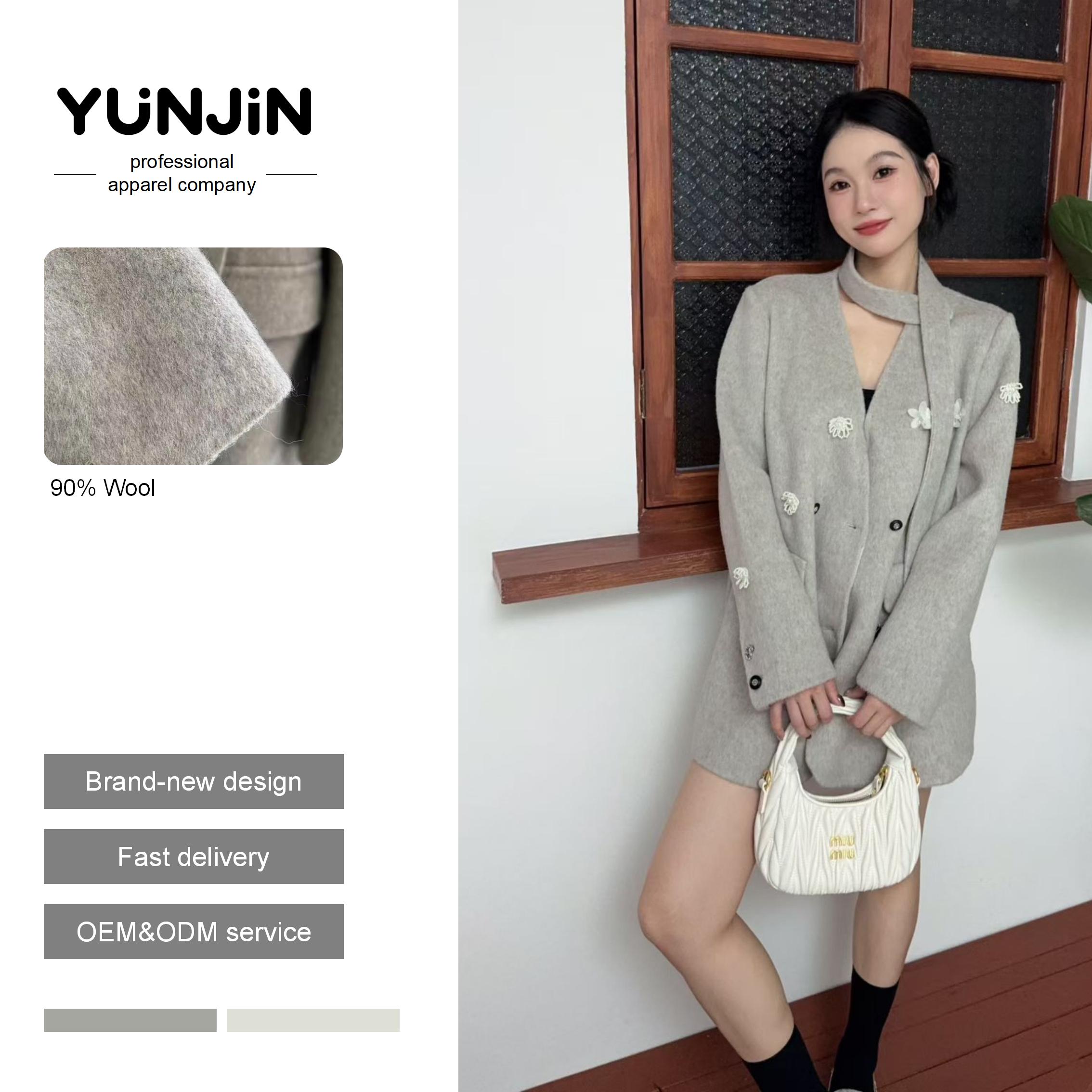
In many development threads, the trim change arrives as a short addition near the end: “Can we also change the zipper?” or “Can we update the buckle finish?” The request feels small because the body of the garment has already been discussed at length. But in outerwear, trims are rarely minor in effect. A late trim change can alter costing, sourcing readiness, sample behavior, lead time confidence, and even the overall commercial direction of the style.
This does not mean trim changes should be avoided. Some are worth making. The problem is that they are often treated as cosmetic when they are actually structural to the development path. The later the change appears, the more important it becomes to understand what it touches downstream.
Trim changes are rarely isolated to appearance
A zipper, snap, button, toggle, buckle, or drawcord ending is not just a visual choice. In outerwear, trims also affect handling, weight, closure behavior, construction sequence, and sometimes even how the style is priced in the customer's mind. A change from one trim family to another may seem subtle in photos but can require a new sourcing path, a different sewing method, or a different support treatment around the trim area.
That is why experienced factories react carefully to late trim requests. They are not resisting the aesthetic point. They are recognizing that trims sit inside the build logic of the garment, not outside it.
The timing of the change is often more important than the size of the change
A trim update made early in development is usually manageable. The sample room still expects movement, suppliers have more sourcing space, and costing has not fully hardened. The same request made after fit approval or near production booking creates a different kind of pressure. At that stage, the question is no longer only whether the trim looks better. It is whether the change still belongs inside the current timeline.
Buyers sometimes underestimate this because the trim itself appears small on the garment. But timing risk in outerwear is not measured only by visual size. It is measured by how many other decisions have already stabilized around the original choice.
Late trim changes reopen more than one conversation at once
When a buyer adds a new trim request late, at least four questions usually come back into play. Is the trim available in the needed quantity? Does the new choice affect unit cost or MOQ? Does it change construction behavior or sample balance? Does it affect the production calendar? That is a lot of pressure to attach to a short line in a comment email.
At YUNJIN, one of the clearest signs that a style is still under control is whether the team can answer those four questions quickly when a trim change appears. If nobody can answer them cleanly, the change may be bigger than it first looks.
Some trim changes are worth the disruption. Others are not.
The right question is not whether the new trim is better in isolation. It is whether the improvement justifies the disruption at the current stage. If the original trim weakens brand position, feels visibly off, or creates a functionality problem, the change may be commercially necessary. If the difference is marginal and the program is already late, the smarter move may be to hold the change for the next cycle.
This is where good development leadership matters. Teams need someone who can separate “this would be nice” from “this is still worth reopening.” Without that filter, the style may keep improving in pieces while the whole program gets weaker.
Trim discipline protects both product and calendar
The strongest outerwear teams do not avoid trim ambition. They just decide on trims early enough that the garment can be built around them with confidence. When that does not happen, they assess late changes through a business lens instead of a purely aesthetic one: what reopens, what slips, what costs more, and what the customer actually gains.
That perspective is what turns trim management from a recurring source of friction into a controlled part of product development. In outerwear, the best-looking final style is not always the one that changed the most. It is often the one that made the right changes at the right time.