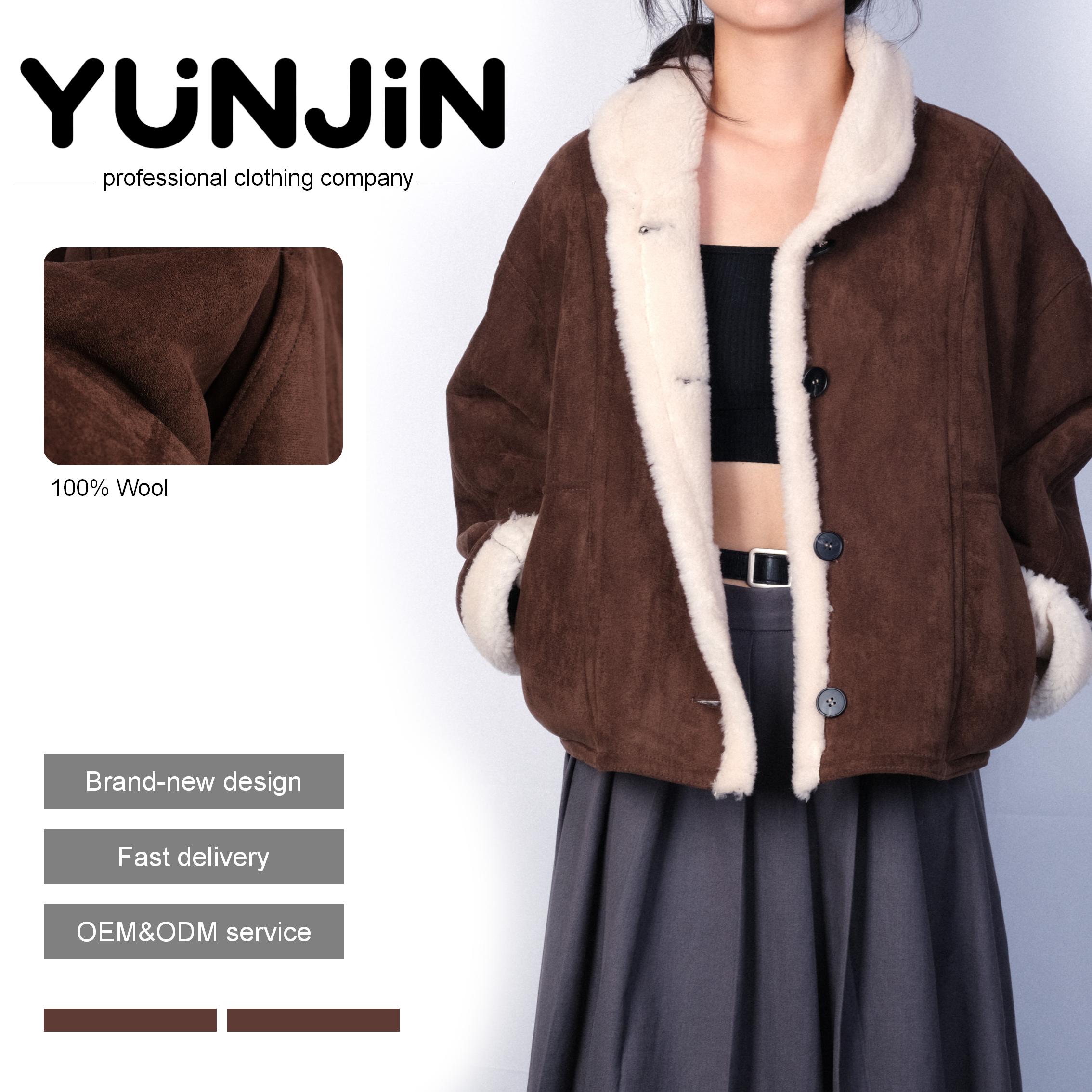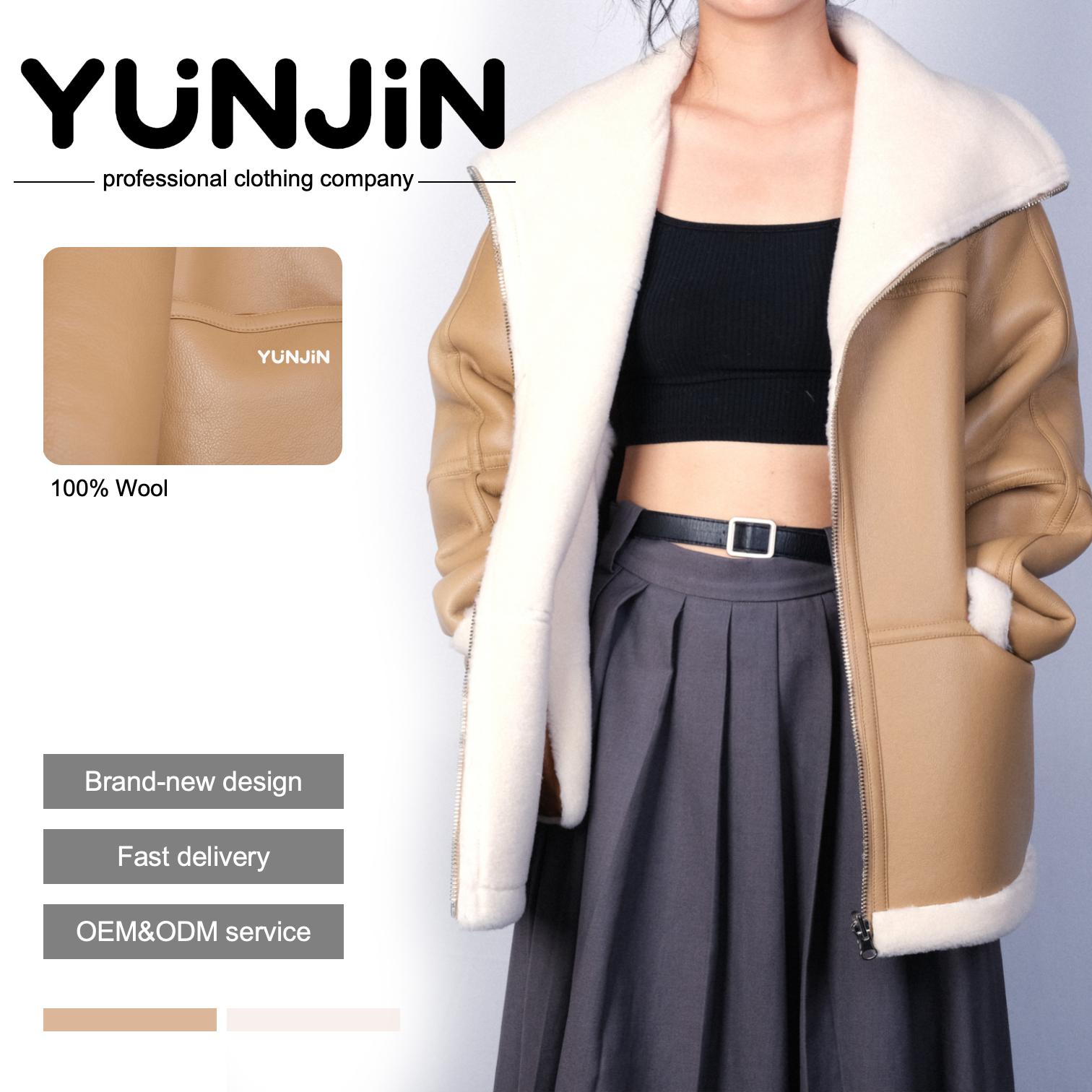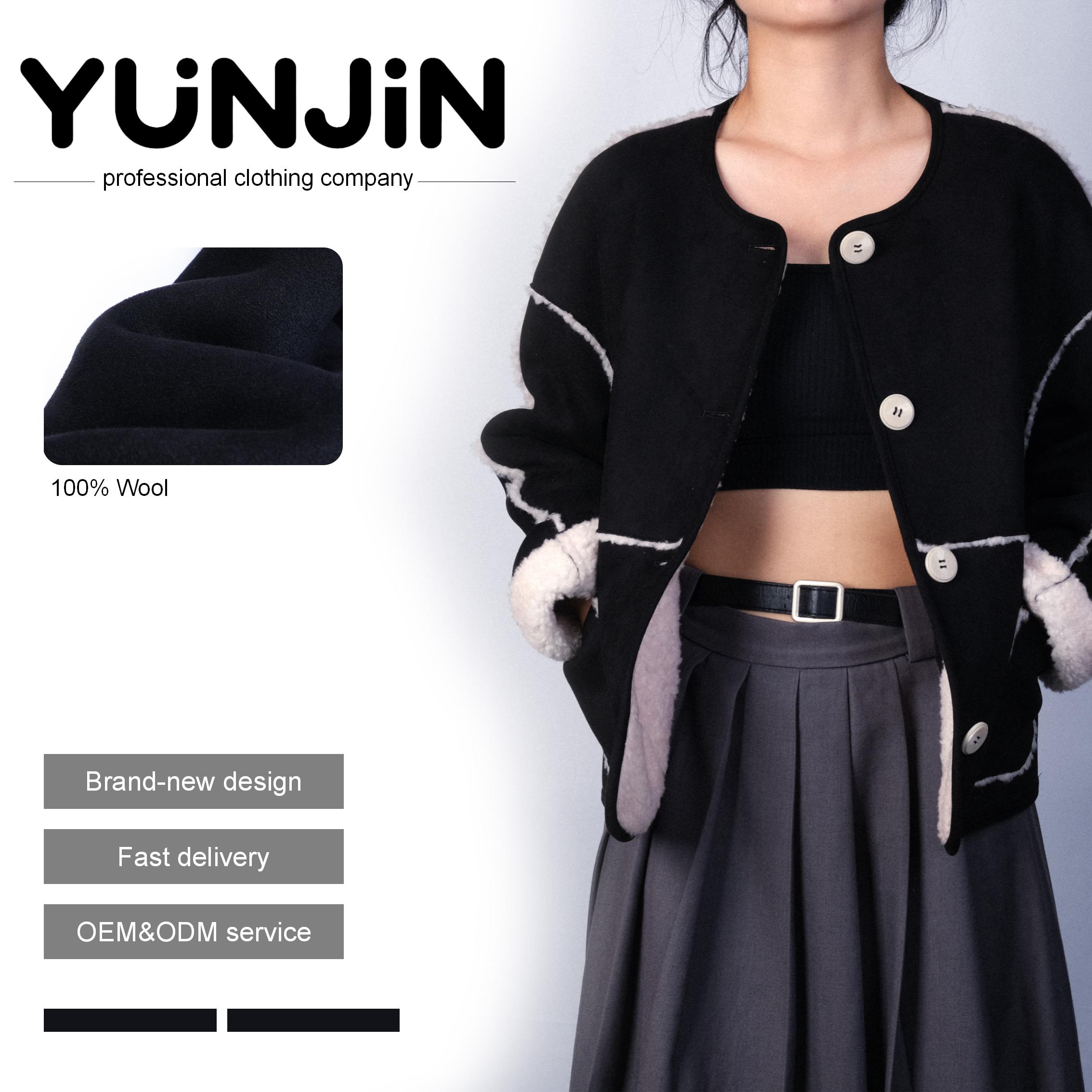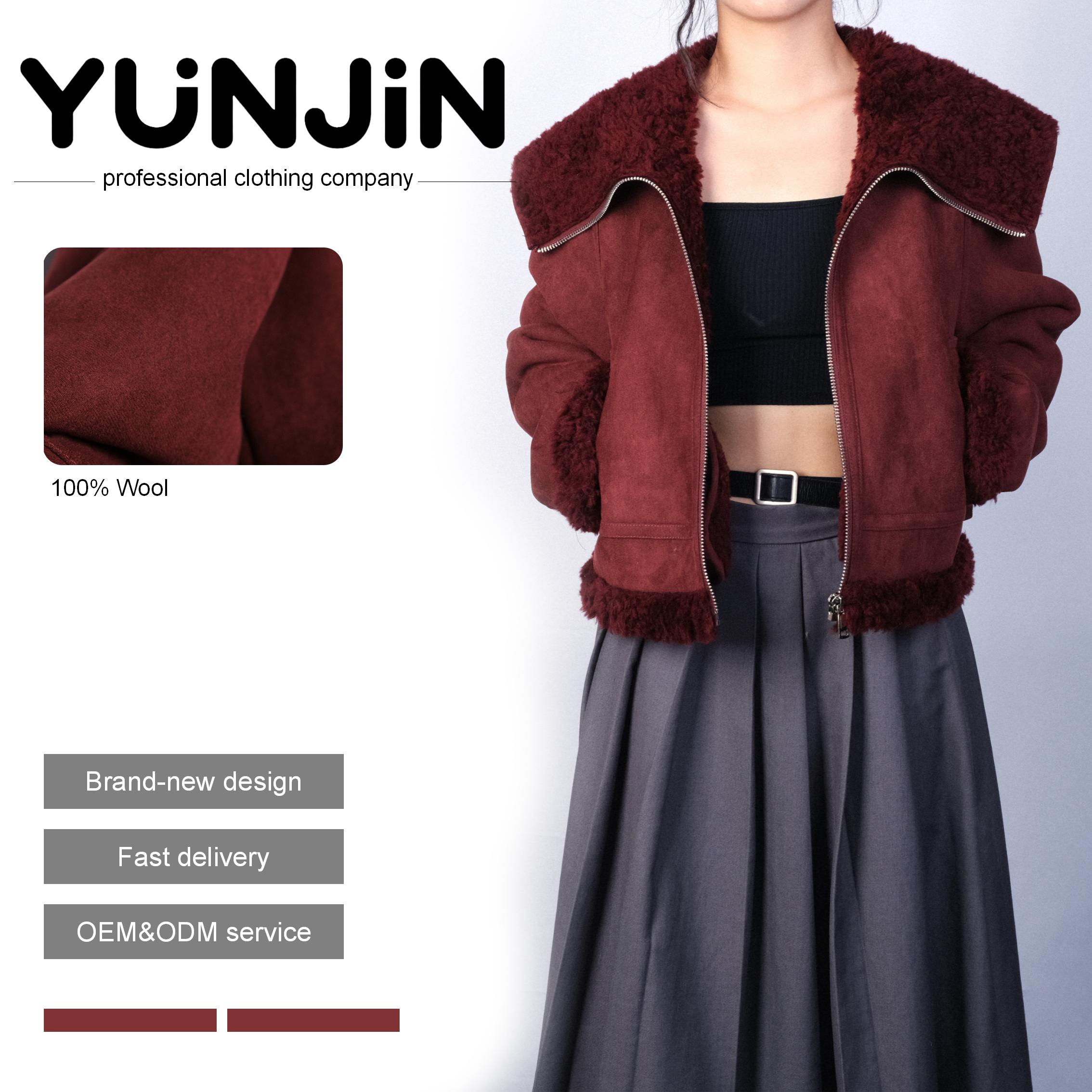
One of the more frustrating return patterns in outerwear is the style that wins quickly in first fitting but comes back later in wear. It looked right. It felt right for a few minutes. The customer left happy. Then the return reason appears: too tight with layers, not comfortable through the sleeve, heavier than expected, not sitting the way it looked in the store, or simply “not as easy to wear as I thought.”
These returns are often misread as random or customer-specific. In reality, they usually reflect a mismatch between how the garment was presented and how it behaves in real use. For buyers and manufacturers, that makes this kind of return especially worth studying. It is not only a product issue. It is often a fit-strategy and expectation-setting issue at the same time.
Fitting-room success is only one type of success
Outerwear is not judged in static conditions alone. It has to work while walking, layering, sitting, carrying, commuting, and moving between temperatures. A style that performs well over a light top in a controlled fitting-room moment may behave very differently over a knit, with a crossbody bag, or during real winter movement.
That is why “it looked perfect when tried on” is not the same as “it was ready for wear.” The first impression may reflect silhouette and visual balance. The return decision usually reflects use.
Layering logic is often missing from the buy decision
Many returns start because the garment was bought, merchandised, or described without enough attention to what should happen under it. A shaped winter coat may technically fit, but if the customer expects to wear a chunky knit under it, the experience changes. A cropped jacket may look elegant in styling photos, but if it rides differently once layered, the buyer needs to know that before the product goes live.
From a factory perspective, this is one of the most common gaps between development approval and store performance. The sample was approved on a body. The customer wears it in a situation. Those are not the same test.
Sleeve and armhole comfort drive more returns than many teams expect
When customers say a coat “felt fine until I wore it,” the hidden issue is often in the sleeve and upper body movement rather than the chest measurement alone. The garment may allow enough room to close, yet still feel restrictive when lifting the arm, carrying a bag, or layering a heavier piece underneath. That is why motion comfort deserves more attention in outerwear than a simple fitting-room mirror moment usually provides.
Buyers who review only front appearance can miss this. Teams that check shoulder balance, armhole relationship, sleeve pitch, and movement under realistic layering conditions usually catch more of the real-world risk before the style reaches bulk.
Product messaging can create returns even when the pattern is acceptable
Some returns are not caused by the garment at all. They are caused by the promise around the garment. If a product page, sales note, or styling suggestion makes the customer expect relaxed layering ease, but the actual style was built for a sharper, cleaner line, the return risk rises even if the sample was approved correctly.
This is one reason repeat styles can perform unevenly across channels. The product itself may not have changed much, but the description, styling, or customer assumption did. In practice, a good outerwear fit story often depends as much on clear language as on correct pattern work.
Good return analysis asks what the customer was trying to do
One of the simplest ways to improve future buys is to stop reading returns only as failure codes. Instead, ask what the customer expected the garment to do. Wear over tailoring? Layer with winter knitwear? Function as a lightweight everyday topper? Create a sharp visual line without heavy layering? Once that expected use is clear, the reason for the return often becomes much easier to interpret.
That question also helps buying teams avoid overcorrecting. Not every return means the style should become looser or softer. Sometimes the real fix is to position the garment more honestly. Sometimes it is to deepen different sizes. Sometimes it is to separate fashion intent from cold-weather utility more clearly.
Outerwear performs best when fit and expectation are designed together
The styles with the strongest long-term performance are usually the ones where development, merchandising, and product communication all tell the same story. The fit allows the intended use. The styling shows that use accurately. The selling language prepares the customer for what the garment will and will not do. When those three elements align, the fitting-room impression is much more likely to survive real wear.
For brands and buyers, that alignment is one of the most effective ways to reduce returns without flattening the collection into safer, less distinctive product. The goal is not to remove character. It is to make the character wearable under the conditions customers actually live in.